

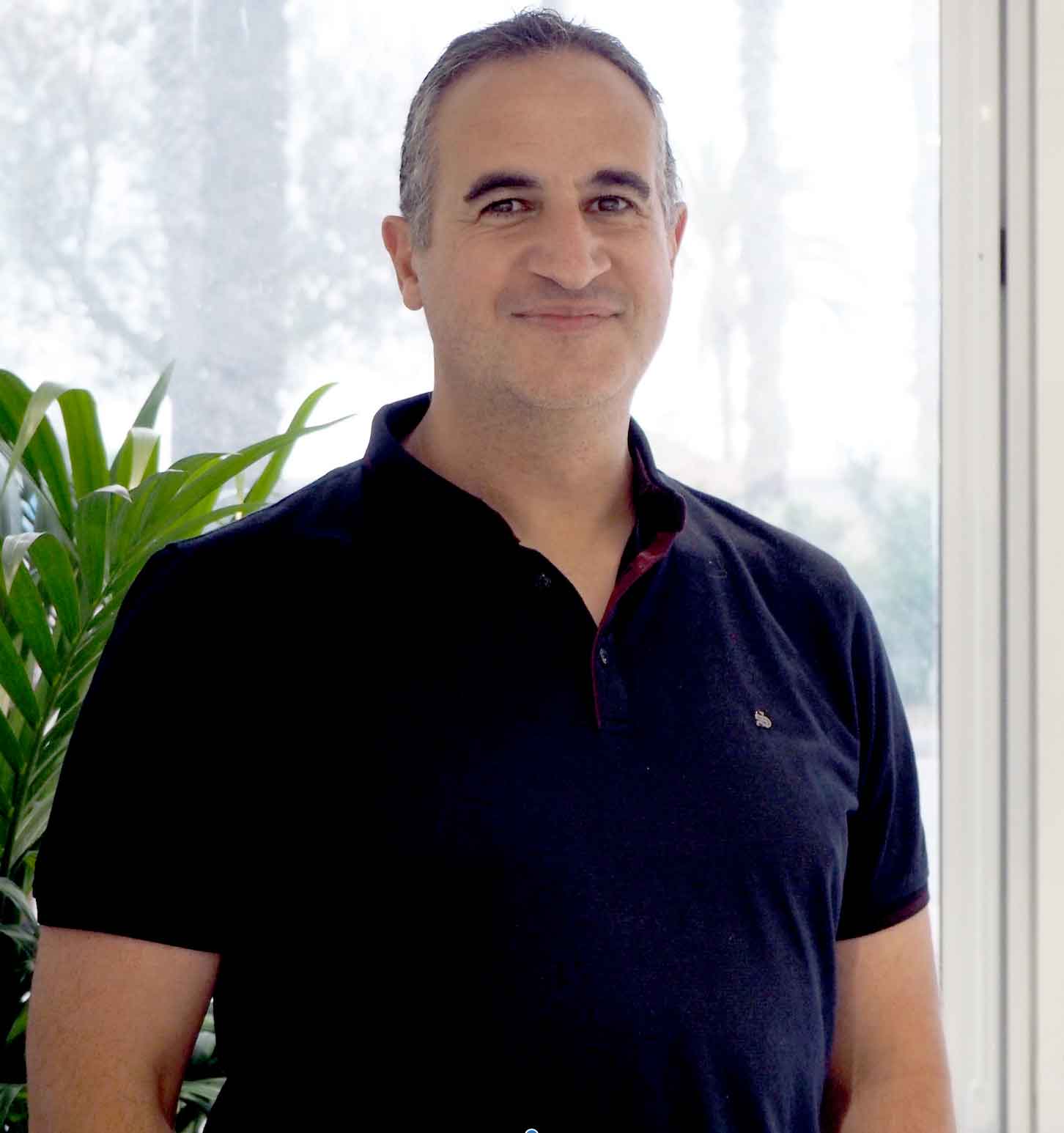
Angel Buendia
Knowledge Manager, Scilife
With 20+ years of experience shaping quality within pharmaceuticals, Ángel bridges QC & QA expertise in life sciences. His passion for continuous learning, combined with his role as a Smart Quality advocate, drives his dedication to instilling a quality culture, guiding teams with collaborative leadership, and fostering excellence as a cornerstone. He navigates complex regulations, and is driven by upholding high standards and fueling innovation.

More articles from Angel Buendia
The FDA rewrote its software assurance guidance in February 2026. Most CSV guides on the first page of Google were written before it existed. That's the trouble with Computer System Validation (CSV). The regulations move, the articles don't, and vali...
The FDA's Quality Management System Regulation (QMSR) no longer uses the term Design History File (DHF). Instead, ISO 13485:2016 Clause 7.3.10 requires manufacturers subject to design and development requirements to maintain a design and development ...
The European Commission keeps a public repository of AI literacy practices. Real programmes from real organisations, published so you can copy what works. There are forty-odd entries, filterable by sector.
Quick answer: The validated state is the condition in which a computerized system consistently performs as intended and continues to meet documented GMP requirements. Validation establishes this state before go-live, while change control, incident ma...
A few years ago I sat in on a customer onboarding call where the Head of Quality opened with a sentence I still remember. “We’ve validated this computerized system three times in five years,” she said, “and we still got a Form 483 observation on it l...
Quick answer Draft Annex 22 is the EU's proposed GMP guidance for data-trained AI and machine learning (AI/ML) models used in critical pharmaceutical manufacturing applications. It introduces AI-specific expectations for governance, validation, risk ...
ALCOA was born on a crowded slide in the early 1990s. An FDA officer called Stan Woollen ran out of room while preparing a presentation, so he typed five letters as a memory prompt: Attributable, Legible, Contemporaneous, Original, Accurate. The acro...
Data integrity is one of those topics that sounds simple until you are sitting in an audit room and someone asks: can you prove where this data came from?
If you work in medical devices, chances are you’ve heard at least one version of this question over the past year: “Wait… does the device history record still exist under QMSR?”
If you’ve worked in medical devices for a while, the term Device Master Record or DMR probably feels like muscle memory. It’s been part of the regulatory vocabulary for decades, especially if you’ve worked with U.S. Food and Drug Administration (FDA)...
In the medical devices industry, “design transfer” refers to the process of transitioning a medical device from development to large-scale manufacturing. For manufacturers, particularly personnel in the quality, R&D, and manufacturing functions, ...
In 2026, the life sciences sector operates in a state of high-precision oversight, where even the most established partnerships require constant, data-driven verification. I recall a situation involving a critical component manufacturer who had maint...
Subscribe to the
Scilife Blog
Life Science and Quality resources and news. All directly to your inbox!